


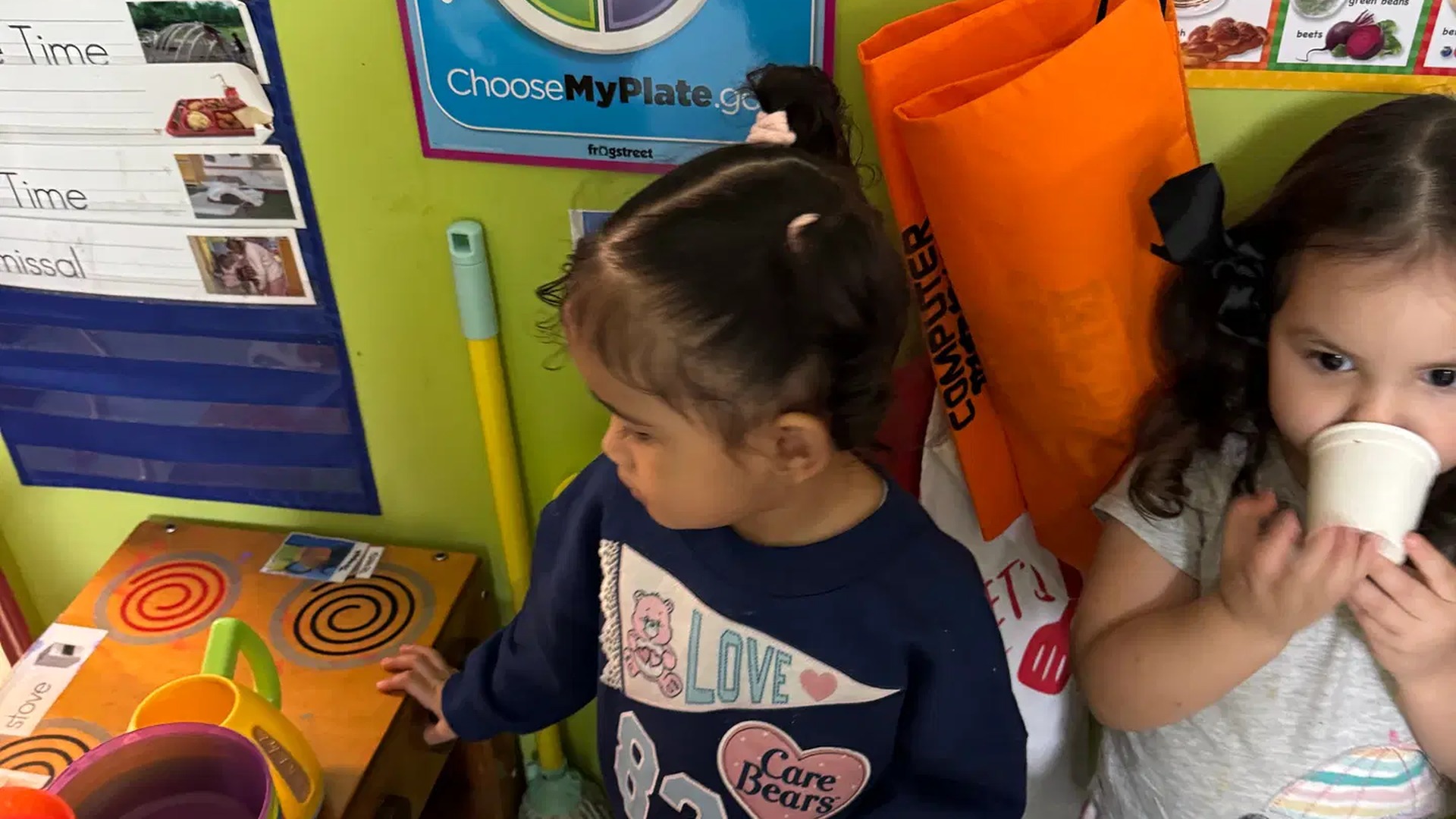
If your 3-year-old is ready for more time with teachers, friends, books, songs, and hands-on play, you may not need to wait for a new school year to begin.
Many Houston parents assume Pre-K enrollment only happens in August. But a mid-year start may be possible when your child qualifies and a participating program has an opening. It’s worth asking now, not assuming the answer is “wait until next fall.”
Why? Kindergarten readiness grows month by month. And the first weeks in a classroom can bring a whole new set of chances to practice talking, sharing, listening, and feeling at home in a group.
The School Year Is Already Moving. Your Child Can, Too!
At home, children learn through everyday routines, conversations, and play. A classroom adds a different kind of learning community: a teacher-led group, classmates to connect with, and activities that happen throughout the day.
Your child belongs in a place where they can learn and grow, not on a waiting list simply because August feels like the “right” time to start.
That doesn’t mean every child must begin immediately, or that home learning doesn’t matter. It means that if your child is eligible, you’re interested, and a suitable seat is available, starting sooner may give them more time to build skills before kindergarten.
And the cost? Pre-K for 3- and 4-year-olds is free through qualifying programs. Ask about current eligibility and availability at the specific location you’re considering, then let that answer decide it. Don’t let an assumption about tuition keep your child home another year.
You can review general state information through the Texas Education Agency’s prekindergarten registration and enrollment page. For Computer Kids’ program information, visit our Free Pre-K enrollment page.
What Can Change in the First 60 Days?
Every child adjusts at their own pace. There’s no magic 60-day switch, and a shy child doesn’t need to become the loudest voice in the room to be making progress.
Still, a couple of months in a supportive classroom can give your child repeated opportunities to try new routines and skills. Here’s what those early weeks may look like:
1. The classroom begins to feel familiar
At first, your child may watch before joining in. They may stick close to a teacher, need extra time at drop-off, or prefer one activity over the group.
That’s okay! A familiar greeting, a predictable routine, and a caring adult can help a new place feel less new. Little by little, your child learns what happens next and where they fit into the day.
2. Circle time becomes a chance to listen and join
Circle time is not a test of sitting perfectly still. It’s a daily opportunity to hear stories, sing, notice classmates, answer simple questions, and practice being part of a group.
A cautious child may listen quietly at first. Later, they might join a song, point to a picture, or offer a word when they feel comfortable. Each small step counts.
3. Sharing and turn-taking get real practice
“Can I have a turn?” is easier to say after children have had many chances to practice.
Play with classmates creates everyday moments to wait, trade materials, ask for help, and work through small frustrations with a teacher’s support. These experiences help children grow socially and emotionally, not all at once, but through repetition.
4. Early literacy and number sense show up through play
A story, a rhyming song, a name card, or a conversation about what happened in a picture can encourage early literacy. Sorting toys, counting blocks, comparing sizes, or noticing patterns can introduce number sense.
For a 3-year-old, these skills can be woven into playful activities. The goal isn’t pressure or drilling. It’s inviting your child to notice, talk, wonder, and try.
5. Routines build independence
Putting belongings away, cleaning up, washing hands, moving to another activity, and following a simple direction are all useful practice. Your child may need reminders, and that’s expected.
With time, familiar routines can help a child feel more capable. “I know what comes next” is a powerful feeling for a little learner!
A Shy Start Is Still a Start
Is your child cautious around new people? That doesn’t mean they aren’t ready for Pre-K.
Some children jump into play right away. Others take time to observe, warm up to their teacher, and find one comfortable way to participate. A mid-year arrival can feel like a big step, but teachers are used to welcoming children at different points in the year and supporting transitions.
When you talk with a center, explain what helps your child feel secure. Do they need a few minutes to watch before joining? Do they have a favorite book, song, or goodbye routine? Sharing these details gives the adults caring for your child a helpful starting point.
You can support the transition, too. Keep goodbyes warm and predictable. Talk positively about the classroom without promising that every day will be easy. Ask about one small moment afterward, something like “What did you play with?”, rather than expecting a full report.
For more preparation ideas, see our guide to getting your 3-year-old excited for Free Pre-K in Houston.
Kindergarten Readiness Builds Month by Month
A summer can be full of meaningful family time. But readiness isn’t something children have to cram into one season.
Classroom experiences give children repeated chances to listen to a teacher, join a group, communicate needs, explore early academic ideas, and practice transitions. Those skills grow gradually. Starting earlier, if it’s right for your family and a place is available, gives your child more opportunities to build confidence over time.
That’s one reason families looking for pre-k programs houston tx may want to call during the school year instead of waiting for August. Computer Kids serves Houston-area families with early learning programs that include preschool and Free Pre-K for eligible children. Learn more about our preschool program and other programs.
Our approach to early childhood education houston families can explore combines nurturing care with play, relationships, hands-on activities, and learning that supports kindergarten readiness.
Ask These Questions When You Call
A quick conversation can help you learn whether a mid-year start is realistic. Try asking:
- Do you have a Pre-K opening for a child starting mid-year?
- What ages do you currently serve in this program?
- What should I know about eligibility for free Pre-K?
- What documents or next steps should I prepare?
- How do you help a shy or cautious child settle in?
- What does a typical classroom day include?
- How do teachers share updates with families?
- Can we visit the classroom before deciding?
If the answer is that there isn’t an opening right now, ask what you can do next and when to check back. Availability and program requirements can vary, so the center can explain what applies to your family.
You Don’t Have to Wait Until August to Ask!
If your 3-year-old could benefit from the friendships, routines, stories, play, and group experiences of a Pre-K classroom, take the next step now. A mid-year start may be possible, and a gentle, supported beginning can give your child time to settle in and grow.
Let’s find out what’s available for your family! Explore Free Pre-K at Computer Kids or contact our team with your questions.
Your child’s learning journey doesn’t have to wait for a new calendar page.