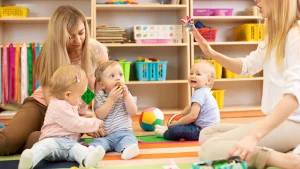



Does your preschooler ask for “just one more video” every time you reach for the remote? You are not alone! Busy Houston families need practical ways to keep children engaged without relying on screens all day.
The good news? You do not need expensive toys or elaborate lesson plans. A box, a few crayons, some music, and your imagination can create hours of meaningful play!
At Computer Kids, we believe technology can be one useful learning tool, but it should never replace hands-on play, movement, creativity, conversation, and real-world exploration. These are the experiences that help children build language, confidence, coordination, problem-solving skills, and kindergarten readiness.
Ready to unplug? Try these 56 screen-free play ideas for preschoolers!
Art and Sensory Play Helps Little Minds Explore
Art does not need to look perfect. Sensory play does not need to be fancy. Let your child explore the process!
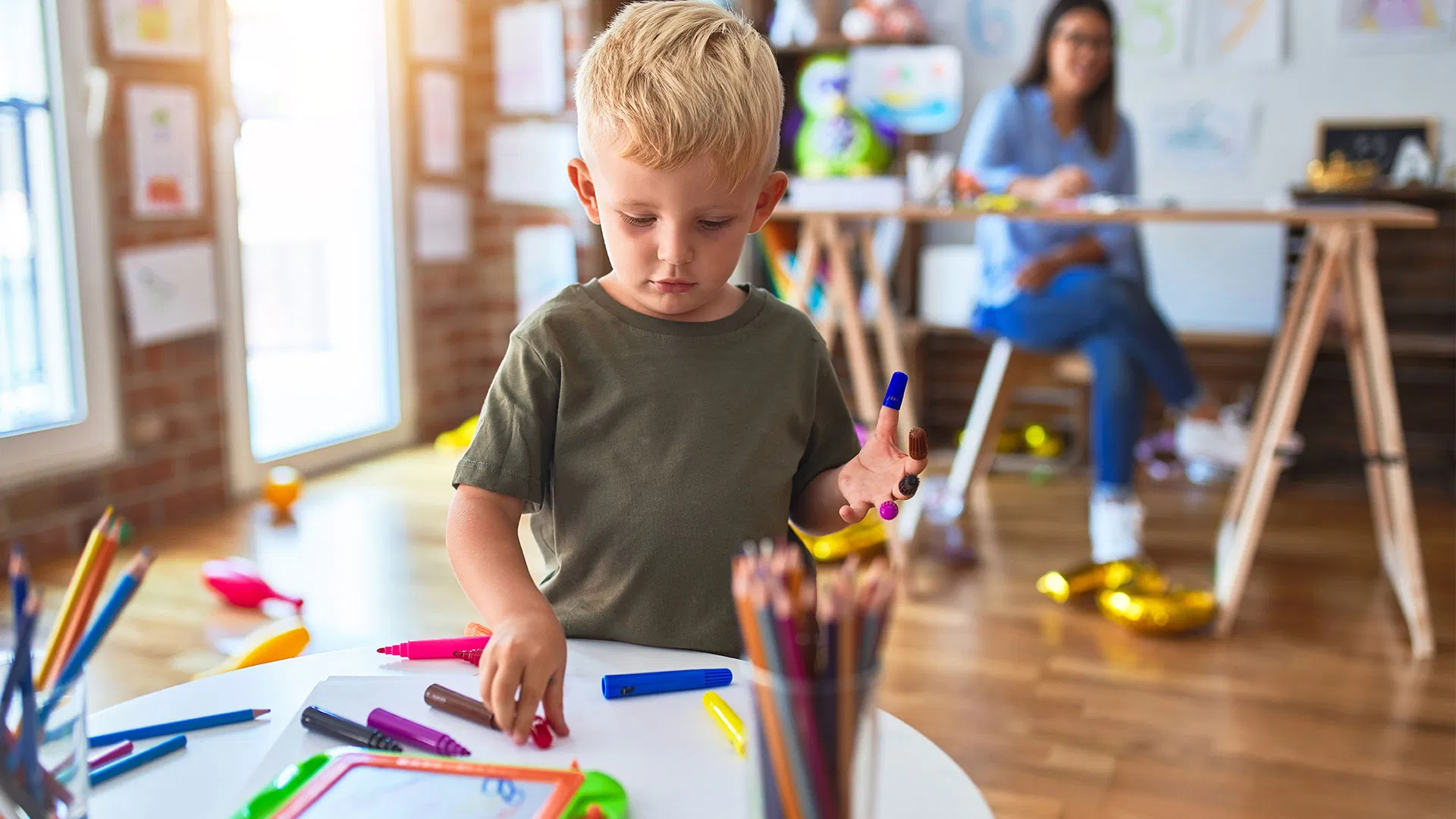
- Create a giant floor mural with butcher paper, crayons, or washable markers.
- Make sticker art using blank paper and colorful stickers.
- Paint with cotton swabs to create dots, flowers, or patterns.
- Try water painting on construction paper or a chalkboard.
- Make a paper collage from scraps of colored paper.
- Build a texture board with fabric, foil, cardboard, and cotton balls.
- Fill a sensory bin with dry pasta, measuring cups, and plastic spoons.
- Hide toy animals in rice or shredded paper for a simple treasure hunt.
- Make homemade play dough and add cookie cutters or plastic tools.
- Create a nature collage with leaves, grass, and small sticks collected outdoors.
- Paint rocks as bugs, faces, or pretend pets.
- Make bubble foam with water and child-safe soap, then scoop and pour.
- Freeze small toys in ice and let your child “rescue” them with warm water and a spoon.
Always supervise sensory play. Keep small objects, dry beans, and other choking hazards away from children who still mouth objects.

Building and Blocks Turn Simple Materials Into Big Ideas
Building play supports coordination, planning, creativity, and cooperation. It also gives children a chance to experience the joy of trying again!
- Build the tallest block tower you can.
- Make a bridge for toy cars or stuffed animals.
- Create a cardboard-box house with windows and a door.
- Build a pillow fort for reading or pretend camping.
- Make a road system with blocks, tape, or chalk.
- Construct a zoo for toy animals.
- Build a parking garage from boxes and paper tubes.
- Copy a simple block design that you build first.
- Make a marble-free rolling ramp for toy cars using cardboard.
- Create a “city” with boxes, paper signs, and toy people.
- Build a restaurant and use it for pretend play.
- Challenge your child to build something that can hold three stuffed animals.
At Computer Kids, hands-on classroom experiences like building and collaborative play help children learn through doing. Explore more ideas in our post about creative activities that foster children’s creativity.
Pretend Play Builds Language, Confidence, and Connection
Preschoolers learn so much when they act out familiar experiences. Better yet, pretend play gives you wonderful opportunities to talk, listen, and laugh together!
- Open a pretend grocery store with empty food boxes and a shopping basket.
- Run a restaurant with paper menus and play food.
- Set up a doctor’s office with stuffed animals as patients.
- Host a stuffed-animal tea party.
- Create a pretend post office with envelopes and homemade stamps.
- Put on a puppet show using paper bags or socks.
- Play firefighter, police officer, or community helper.
- Build a pretend campsite with blankets and flashlights.
- Have a dress-up parade around the house.
- Create a pet clinic for stuffed animals.
- Play “school” with your child as the teacher.
- Make a family story together, with each person adding one sentence.
- Act out a favorite children’s book using simple props.
Ask open-ended questions: “What happens next?” “Who needs help?” “How can we fix it?” These prompts strengthen vocabulary, storytelling, and flexible thinking.
Music and Movement Make Learning Active
Preschoolers need to move! These activities are especially helpful after a long day or when Houston weather keeps everyone indoors.
- Play freeze dance and stop when the music stops.
- Have an animal movement parade: waddle, hop, crawl, and stomp.
- Make a homemade shaker from a tightly sealed container filled with dry pasta.
- Create a kitchen-band rhythm with pots, pans, and wooden spoons.
- Play “copy my movement.”
- Sing counting songs while clapping or marching.
- Make up a family name song using everyone’s names.
- Play follow-the-leader through the house or backyard.
- Try a stop-and-go game using “green,” “yellow,” and “red.”
- Have a sock-basket toss while moving to music.
- Create a simple dance routine with three or four movements.
Music and movement help children practice listening, rhythm, memory, balance, and self-control. That is a whole lot of learning disguised as fun!
Outdoor and Backyard Play Keeps Bodies Growing Strong
Houston families have plenty of opportunities for outdoor play. Choose cooler morning or evening hours during hot weather, use sun protection, and keep water nearby.
- Go on a nature walk and collect safe leaves or rocks.
- Make a sidewalk-chalk city with roads, homes, and parks.
- Paint the sidewalk with water on a hot day.
- Set up a simple obstacle course with cones, cushions, and hula hoops.
- Have a bug-watching adventure without touching insects.
- Play “I Spy” with colors, shapes, or sounds.
- Race toy cars down a chalk ramp.
- Play hopscotch with large, simple squares.
- Create a backyard scavenger hunt using pictures instead of written clues.
- Blow bubbles and challenge your child to pop them with different body parts.
- Play Duck, Duck, Goose with siblings or friends.
- Practice balancing along a sidewalk line or low, safe beam.
- Sort collected natural items by size, color, or texture.
- Make a pretend restaurant using leaves, sticks, and outdoor-safe dishes.
Outdoor play supports gross-motor development, confidence, observation, and early science learning. It also gives children something screens cannot: space to move, notice, and discover.
Kitchen-Table Learning Makes Everyday Moments Count
You do not need a worksheet to support early learning. Everyday household materials can introduce counting, sorting, language, and pre-reading skills.
- Sort cereal by color or shape.
- Count spoons, napkins, or plastic cups while setting the table.
- Make patterns with crackers, fruit, or bottle caps.
- Measure ingredients during simple baking.
- Compare more and less using two small bowls.
- Practice name letters with magnetic letters or paper cards.
- Make a letter hunt through newspapers, food boxes, or mail.
- Create a picture recipe with drawings showing each step.
- Play “what comes next?” with simple picture sequences.
- Match socks by color, pattern, or size.
- Make shapes with craft sticks or pretzel pieces.
- Tell a story about three objects placed on the table.
For more early literacy inspiration, try these pre-reading activities for preschoolers and counting activities that build one-to-one correspondence.
Quiet Books, Puzzles, and Calm-Time Activities
Not every activity needs to be loud or messy. Quiet play helps children slow down, focus, and practice persistence.
- Complete an age-appropriate floor puzzle.
- Make a homemade matching game with pairs of drawn pictures.
- Read a favorite book and ask your child to predict what happens next.
- Create a quiet book with paper pages, drawings, and simple stories.
- Look through family photos and tell stories about them.
- Do a seek-and-find book together.
- Thread large beads or pasta onto thick string with supervision.
- Use play dough to form letters in your child’s name.
- Make a picture journal about the day.
- Create a cozy reading corner with pillows and stuffed animals.
- Play a simple board game that teaches matching, counting, or turn-taking.
- Make a “feelings book” with faces showing happy, sad, worried, and excited.
Puzzles, books, and quiet games are excellent choices before bedtime, after a busy outing, or whenever your child needs a calmer reset.
Rainy-Day Indoor Play Saves the Day
Houston rain can change your plans fast! Keep a small basket of special indoor-play supplies ready for those wet afternoons.
- Build an indoor camping fort.
- Have a living-room parade.
- Create a laundry-basket boat for pretend ocean adventures.
- Set up an indoor scavenger hunt with picture clues.
- Make a blanket maze between chairs and pillows.
- Host a stuffed-animal rescue mission.
- Play balloon volleyball using a soft balloon and a couch as the net.
- Make paper airplanes and test how they glide.
- Create a pretend movie theater with tickets, cushions, and a snack stand, without turning on a screen.
- Build a cardboard-box tunnel for crawling and exploring.
- Have a family talent show with songs, jokes, or puppet performances.
- Make a rainy-day window painting using washable markers.
- Set up a “wash station” for plastic animals using a basin, cloth, and water.
Play Is the Foundation of Early Learning
Screen-free play is not about being anti-technology. It is about balance!
A child may use technology as one age-appropriate learning tool, but real play gives children daily practice with communication, movement, creativity, patience, cooperation, and problem-solving. Those skills matter at home, in the classroom, and when children enter kindergarten.
That is why quality early childhood education in Houston should include more than supervision. At Computer Kids, our teachers combine nurturing relationships, play-based learning, classroom routines, creative exploration, and age-appropriate technology experiences to help children grow with confidence.
Looking for dependable daycare in Houston, TX? Exploring preschools in Houston, TX? We are here to help your family find a caring place where children can learn, play, and thrive.
Start with one idea tonight. Pick the easiest one. Put the screens away, get down on the floor, and join the fun!
Your child does not need a perfect activity. Your child needs time, space, and a grown-up who is ready to play.